Mechanical Engineering
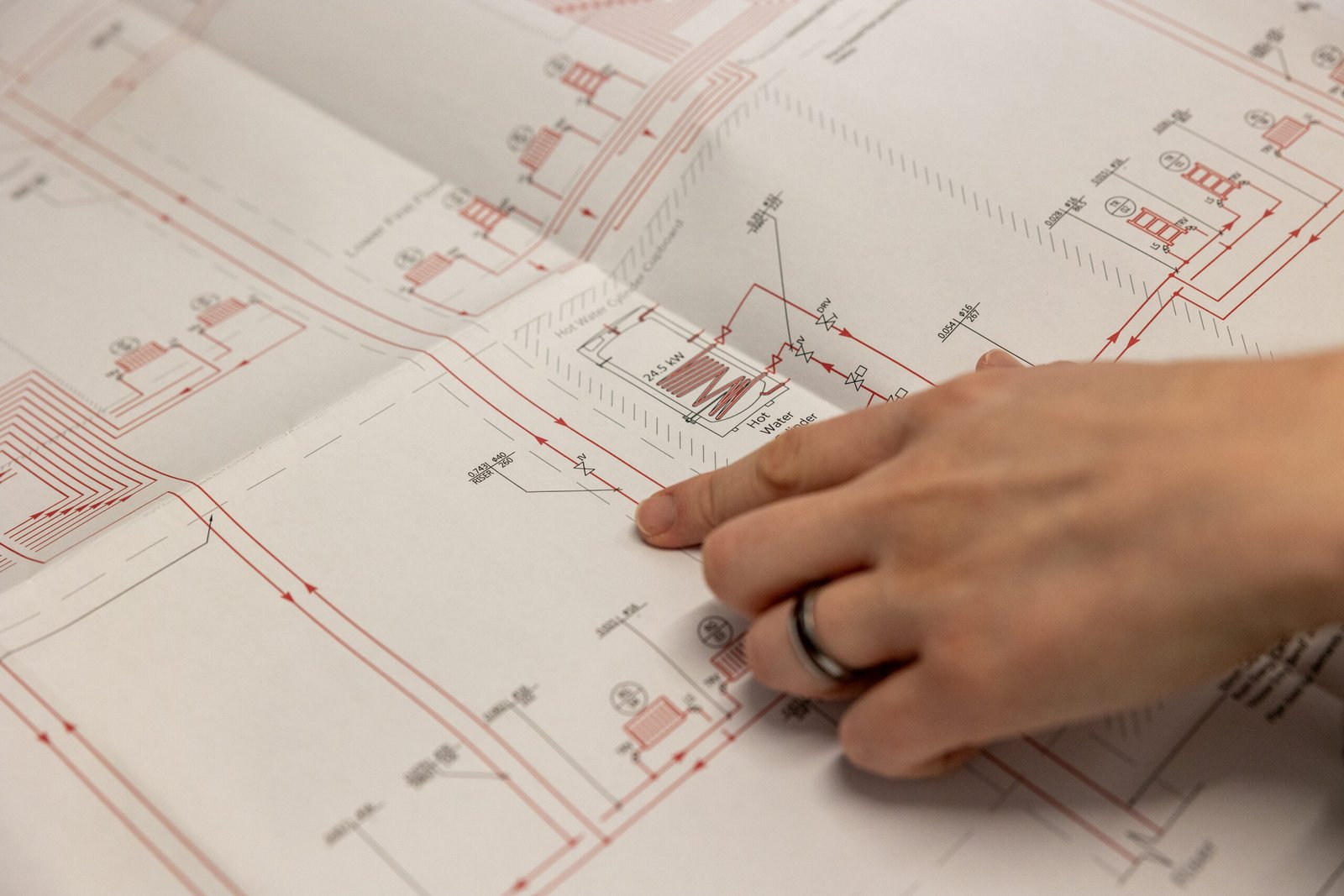
Comfort year-round, with running costs that stay predictable. Heating, cooling, ventilation and hot water sized to how the building will actually be used, not oversized to be safe.
Three disciplines from one team, coordinated from concept onwards. Not stitched together at the end.

Comfort year-round, with running costs that stay predictable. Heating, cooling, ventilation and hot water sized to how the building will actually be used, not oversized to be safe.

Power and controls built to flex as the building evolves. Incoming supply, sub-mains, distribution routes, lighting, fire detection, data, security and access control.

Water systems coordinated from the brief, not bolted on at the end. Domestic water, process and specialist water, above ground drainage and condensate, integrated from concept onwards.
From the first feasibility conversation through to commissioning and handover, with the same team across every stage.
Setting the engineering approach early, while the design is still flexible. Sizing the brief honestly, working out the low-carbon strategy, and giving you cost guidance before the scope is fixed. The directors lead at this stage so the decisions that shape the rest of the project sit with the engineers who will see it through.
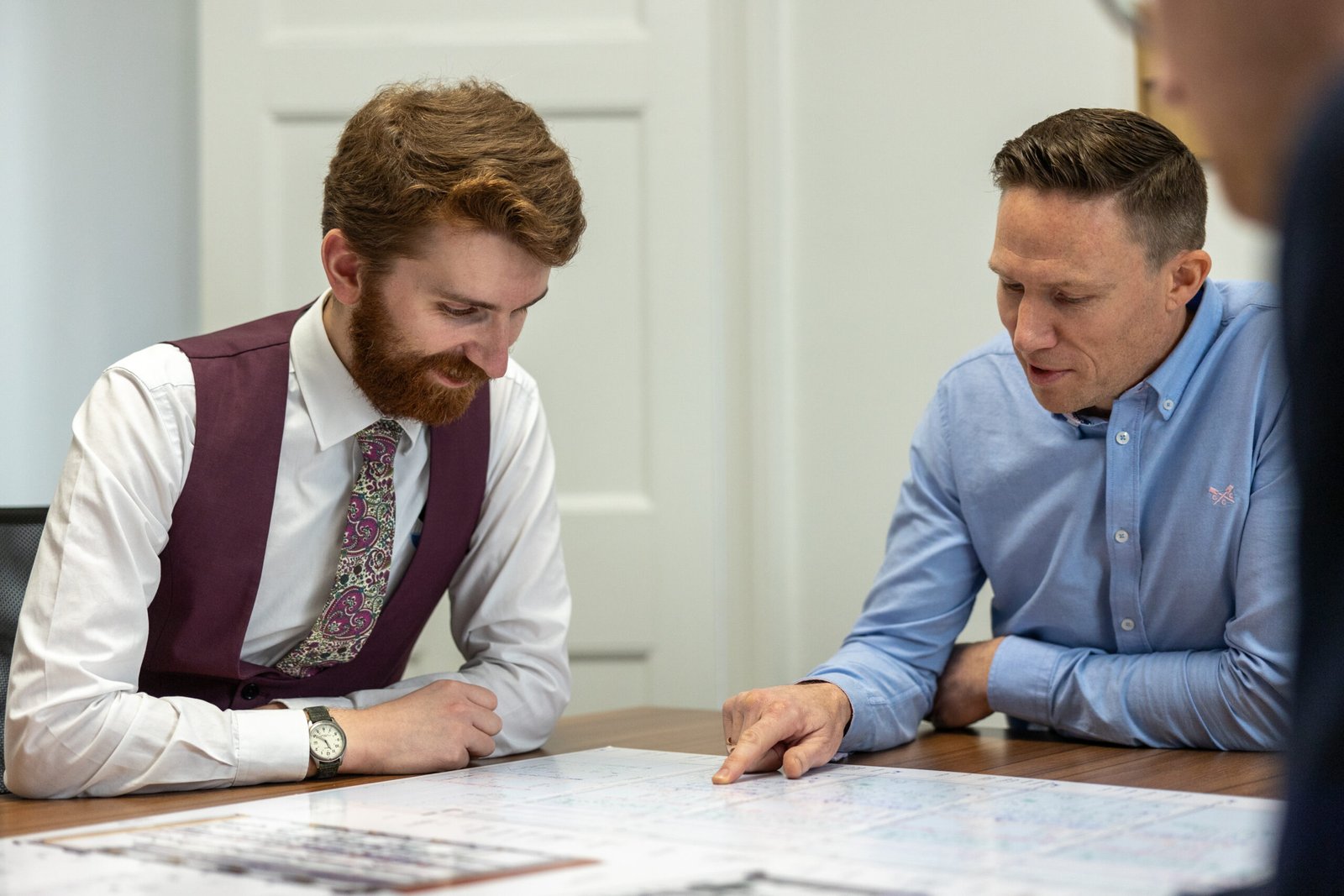
Detailed mechanical, electrical and public health design, all drawn in-house. The three disciplines are coordinated between themselves and with the architect and structural team from the first model onwards, not stitched together at the end. Engineers lead, with the directors staying close through design reviews.
On call for contractor queries, attending site coordination meetings, reviewing technical submittals and watching what gets installed against what was specified. The same engineers who designed the project are the ones answering the questions, so nothing gets lost in handover.
Verifying the building services perform the way they were designed to. Witnessing commissioning, reviewing O&M documentation, and being there for the post-occupancy questions that surface in the first year of operation. The work doesn't end at handover.
We don’t outsource the electrical, we don’t subcontract the public health. All three disciplines live in the same Newmarket office.
Decisions made in one discipline inform the others from the first brief, between engineers who work in the same room.
The engineer who designs at Stage 2 is the engineer who watches commissioning at Stage 5. No handovers between teams. Meet the directors
All three disciplines designed in a single coordinated model from concept stage, so clashes are resolved on screen before they reach site. Compatible with the architect and structural team's BIM workflow.
Early-stage advice on existing buildings and proposed schemes. Condition surveys of existing services, feasibility studies for refurbishment or change of use, and option appraisals before the brief is fixed.
Returning after handover to measure how the building is actually performing in use. Where there's a gap between design intent and reality, we find it and put it right.

The same three disciplines, engineered around what each type of building actually has to do.
Healthcare trusts, veterinary groups and manufacturers among them, across new build, refurbishment and change of use.
We are happy to look at briefs early, before the engineering scope is fixed. The sooner we are involved, the more value the design tends to add.